Difference Between Inner Root Bark and Outer Bark
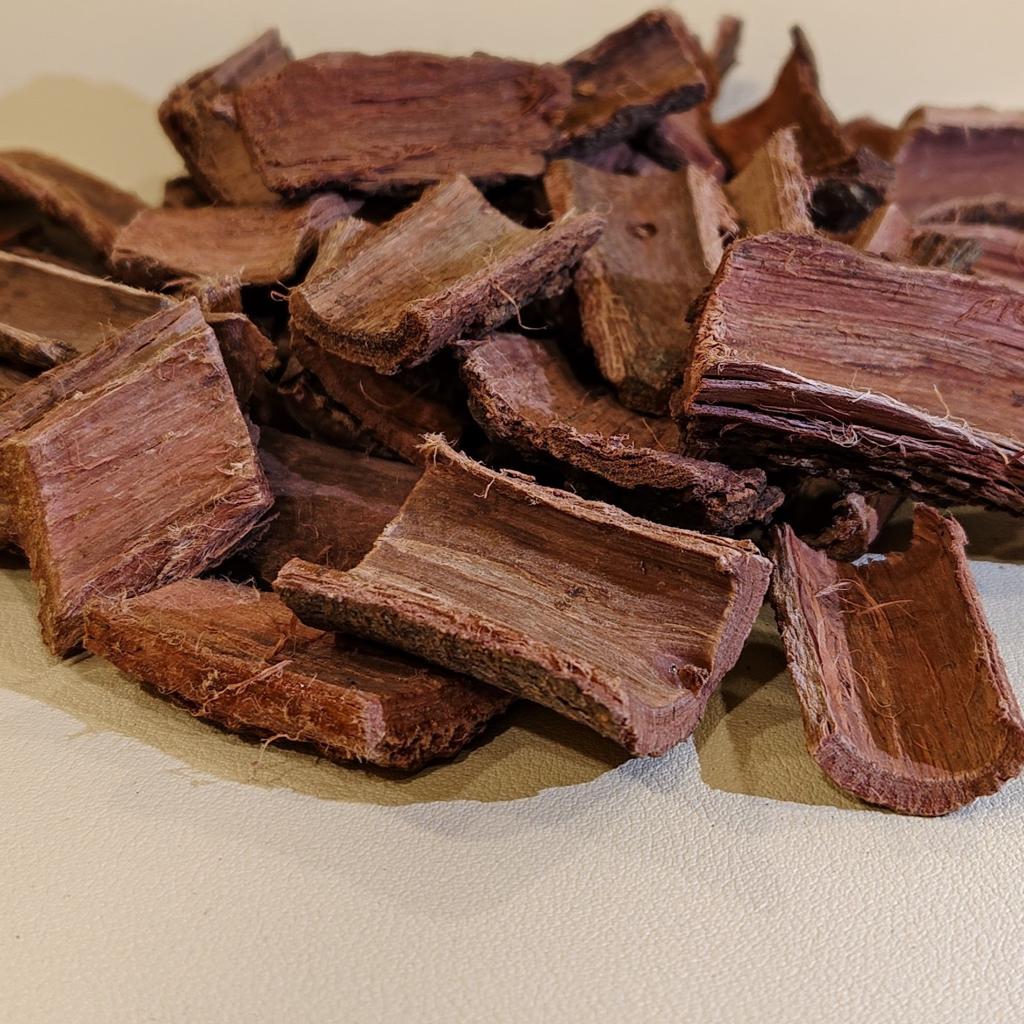
When researching Mimosa Hostilis products, buyers frequently encounter the terms Inner Root Bark and Outer Bark. Understanding the difference between these two layers is important because product quality, appearance, consistency, and supplier standards often depend on which part of the bark is being used.
For customers purchasing Mimosa Hostilis Root Bark in Europe, knowing the distinction between Inner Root Bark (IRB) and Outer Bark can help make more informed buying decisions. In this guide, we explain the key differences, why Inner Root Bark is generally preferred, and what quality-conscious buyers should look for when comparing products.
Understanding The Structure Of Mimosa Hostilis Root Bark
Like many tree roots, Mimosa Hostilis roots contain multiple layers.
These layers are generally divided into:
Outer Bark
The external protective layer surrounding the root.
Inner Root Bark
The layer located beneath the outer bark, often referred to as IRB.
The inner portion is the section most commonly associated with premium Mimosa Hostilis products available throughout Europe.
What Is Inner Root Bark?
Inner Root Bark refers to the layer located beneath the exterior bark.
This section is carefully separated and processed into various product forms, including:
- Mimosa Hostilis Root Bark Powder
- Mimosa Hostilis Shredded Bark
- Mimosa Hostilis Whole Bark
- Wholesale MHRB Products
Recommended Internal Links:
- Mimosa Hostilis Root Bark Powder
- Mimosa Hostilis Shredded Bark
- Mimosa Hostilis Whole Bark
Because of its appearance and consistency, Inner Root Bark is generally regarded as the preferred material for premium Mimosa Hostilis products.
What Is Outer Bark?
Outer Bark serves as the protective exterior layer of the root.
Compared to Inner Root Bark, the outer layer typically differs in:
- Appearance
- Texture
- Color
- Structure
Most premium suppliers focus primarily on the Inner Root Bark when preparing high-quality Mimosa Hostilis products.
Key Differences Between Inner Root Bark and Outer Bark
| Feature | Inner Root Bark | Outer Bark |
|---|---|---|
| Position | Beneath outer layer | Exterior layer |
| Appearance | Richer coloration | Lighter appearance |
| Texture | More uniform | More rugged |
| Product Use | Premium products | Generally removed |
| Popularity | Very High | Limited |
Understanding these distinctions helps buyers evaluate product descriptions more effectively.
Why Inner Root Bark Is Preferred
Most customers searching for premium Mimosa Hostilis products specifically seek Inner Root Bark.
Several factors contribute to this preference.
Product Consistency
Inner Root Bark typically provides greater consistency during processing.
Premium Appearance
Many buyers recognize Inner Root Bark by its distinctive appearance and coloration.
Industry Standard
Premium Mimosa Hostilis products are generally produced using Inner Root Bark rather than the exterior layer.
Higher Buyer Confidence
Products clearly identified as Inner Root Bark often inspire greater confidence among experienced buyers.
How Premium Suppliers Handle The Bark
Dedicated Mimosa Hostilis suppliers focus on maintaining quality standards throughout the preparation process.
This often includes:
Careful Selection
Choosing suitable root material before processing begins.
Quality Inspection
Reviewing bark quality before preparation.
Controlled Processing
Preparing products according to established standards.
Secure Packaging
Protecting product quality during transportation and storage.
Recommended Internal Link:
How Mimosa Hostilis Is Processed
How To Identify Premium Inner Root Bark
Customers evaluating Mimosa Hostilis products should consider several factors.
Consistent Appearance
Uniform products often indicate organized preparation standards.
Supplier Transparency
Professional suppliers clearly identify product specifications and preparation methods.
Product Format
Premium Inner Root Bark is commonly available as:
- Powder
- Shredded Bark
- Whole Bark
Supplier Specialization
Dedicated suppliers often maintain stronger quality control procedures.
Product Comparison
Inner Root Bark Powder
Advantages:
- Fine consistency
- Uniform appearance
- Popular format
Recommended Internal Link:
Mimosa Hostilis Root Bark Powder
Inner Root Bark Shredded
Advantages:
- Natural appearance
- Moderate processing
- Easy visual assessment
Recommended Internal Link:
Mimosa Hostilis Shredded Bark
Inner Root Bark Whole Bark
Advantages:
- Minimal processing
- Traditional presentation
- Preserved structure
Recommended Internal Link:
Mimosa Hostilis Whole Bark
Buying Guide For European Customers
Before purchasing Mimosa Hostilis products, buyers should:
Verify Product Information
Review product descriptions carefully.
Choose A Specialized Supplier
Dedicated Mimosa Hostilis suppliers often maintain better quality standards.
Compare Product Formats
Determine whether powder, shredded bark, or whole bark best meets your needs.
Consider Long-Term Supply
Businesses and larger buyers may benefit from bulk purchasing options.
Recommended Internal Link:
Mimosa Hostilis Bulk Orders
Recommended Products
Customers researching Inner Root Bark often explore:
- Mimosa Hostilis Root Bark Powder
- Mimosa Hostilis Shredded Bark
- Mimosa Hostilis Whole Bark
- Mimosa Hostilis Bulk Orders
- Wholesale Mimosa Hostilis
Recommended Internal Links:
- Mimosa Hostilis
- Mimosa Hostilis Root Bark Powder
- Mimosa Hostilis Shredded Bark
- Mimosa Hostilis Whole Bark
- Mimosa Hostilis Bulk Orders
Frequently Asked Questions
What is Inner Root Bark?
Inner Root Bark is the layer located beneath the outer bark of Mimosa Hostilis roots.
What is Outer Bark?
Outer Bark is the exterior protective layer surrounding the root.
Why is Inner Root Bark preferred?
It is generally associated with premium Mimosa Hostilis products due to its appearance and consistency.
Is Inner Root Bark used in powder products?
Yes. Premium Mimosa Hostilis Root Bark Powder is typically produced from Inner Root Bark.
Is shredded bark made from Inner Root Bark?
Yes. Quality shredded bark products are commonly prepared from Inner Root Bark.
How can buyers identify premium products?
Look for consistent appearance, supplier transparency, and clear product descriptions.
Does product format affect quality?
Quality depends primarily on sourcing and preparation standards rather than format alone.
Do suppliers offer wholesale quantities?
Yes. Wholesale and bulk purchasing options are commonly available.
Is Inner Root Bark popular in Europe?
Yes. It remains the preferred material for premium Mimosa Hostilis products throughout Europe.
Where can I buy premium Inner Root Bark products?
Customers should choose specialized suppliers with a focus on quality and consistency.
Final Thoughts
Understanding the difference between Inner Root Bark and Outer Bark helps buyers make more informed purchasing decisions. While both layers are part of the root structure, premium Mimosa Hostilis products are typically produced from Inner Root Bark due to its consistency, appearance, and industry recognition. Whether purchasing powder, shredded bark, whole bark, or wholesale quantities, selecting a supplier that prioritizes quality and transparency remains essential.
At mimosahostilisroot.eu, we focus on supplying premium Mimosa Hostilis products throughout Europe while maintaining high standards of consistency, quality, and customer support.
